Tales of the Lek (3)

Similar stories

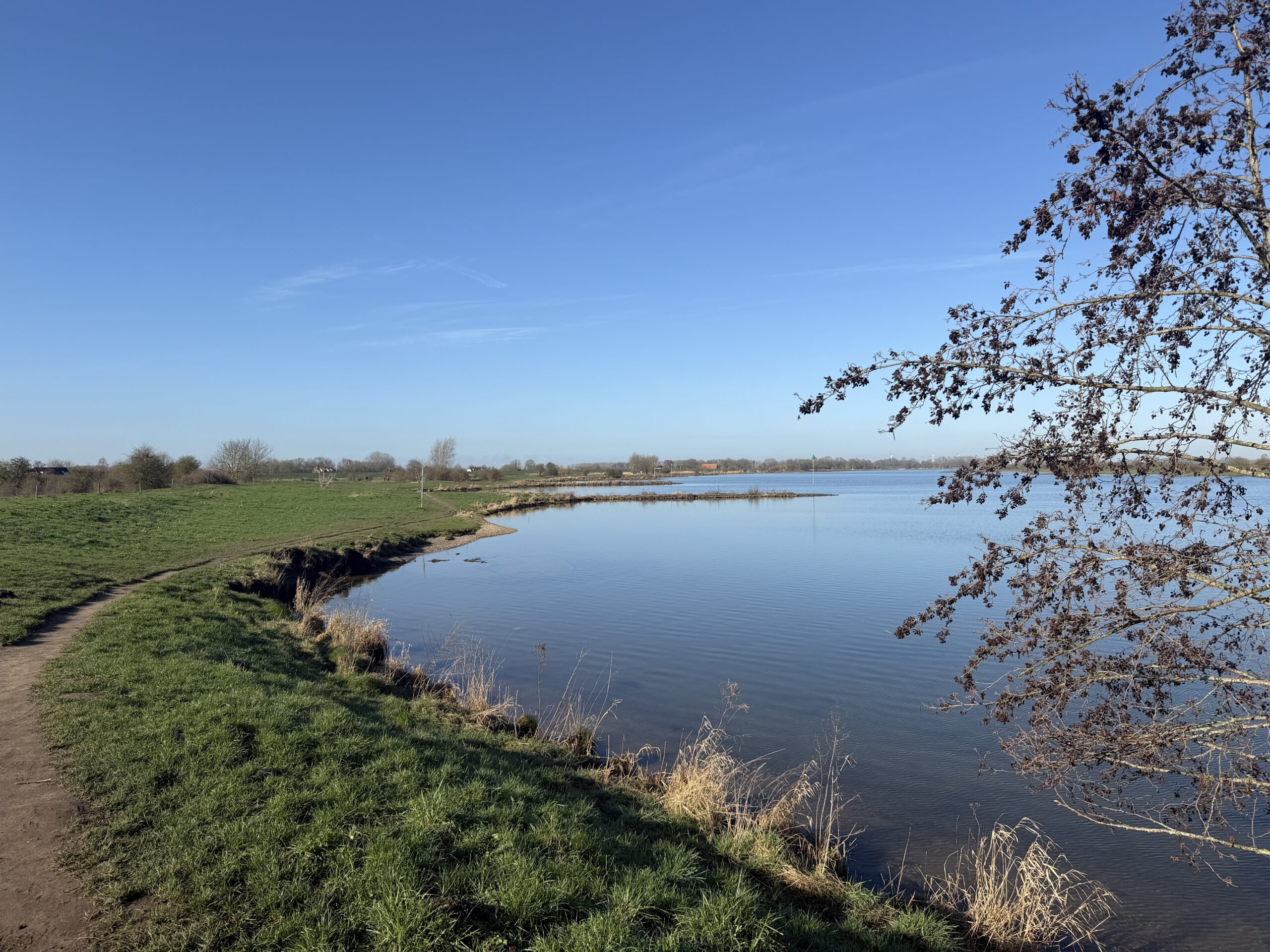
Morning arrived, like a warm spring breeze opening a curtain. I rose earlier than usual, with promise forming in my mind: today I will give something back to the Lek.

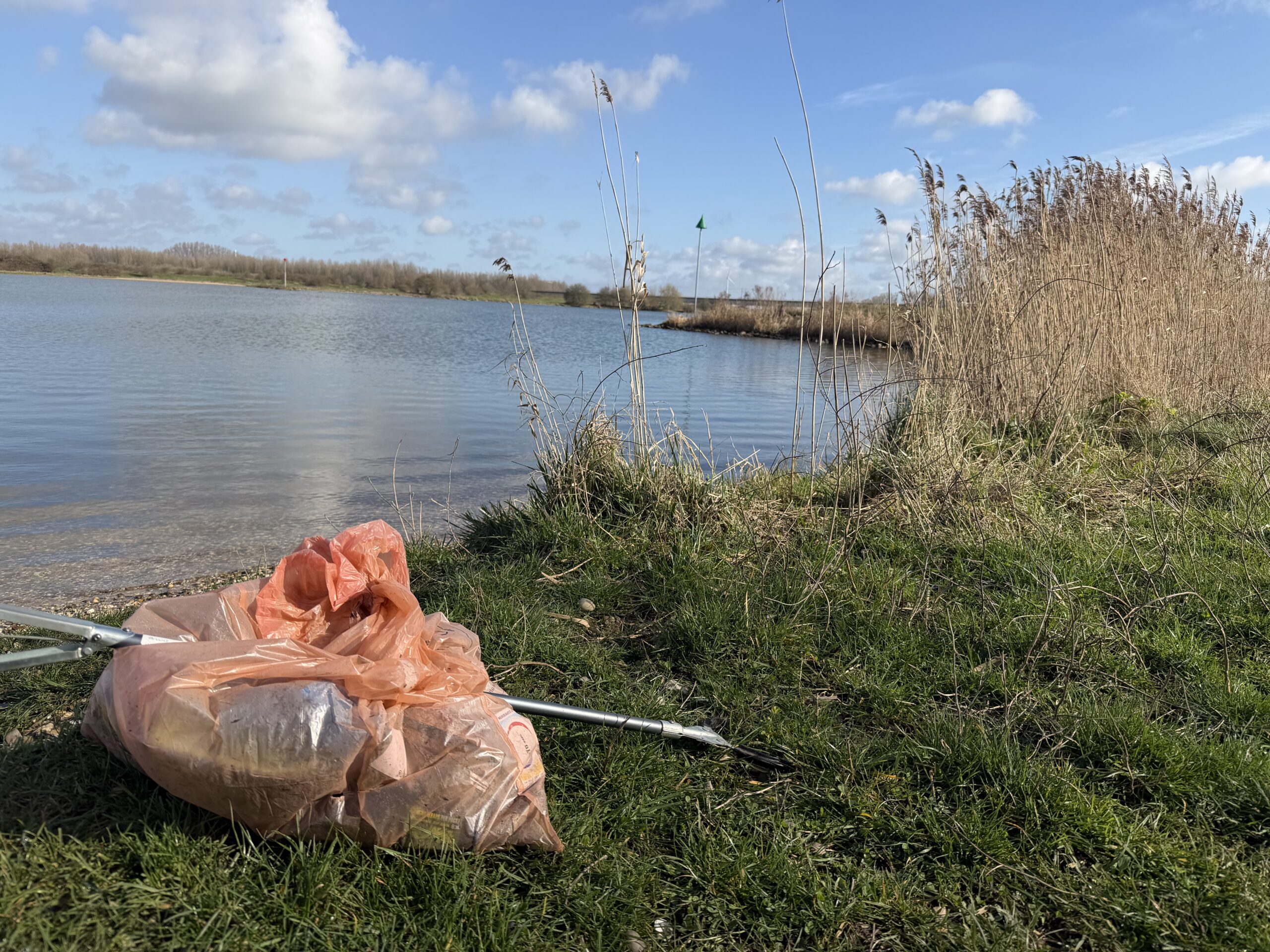
As I walked toward the car to gather a litter picker and a few empty bags, the birds were already in full conversation, their voices rising through the morning air with joyful insistence. Yet in my hands the tools felt like small instruments of care, a modest way of answering the river’s  request. As the sun rested warmly on my face, it felt, for a moment, as though the day itself was welcoming the intention.

With a quiet sense of mission, I followed the sunlight and the gentle pull along a different waterbody leading me toward the river. Along the way I noticed something curious. Where birds gathered the ground was almost clean. The air there felt open and alive. But in the places, where stone replaced grass and footsteps replaced wings, the earth told another story.  A place scattered with the remnants of passing human lives, where the song of birds faded, as if the land itself had grown tired of not being heard.

People passed by, slowing to glance at the picker and the bags with mild surprise. Some smiled, offering quiet words of encouragement, while others looked away. Yet in those brief exchanges, their voices carried something more than politeness, perhaps a flicker of recognition, as if they were remembering that the land belongs to all of us.

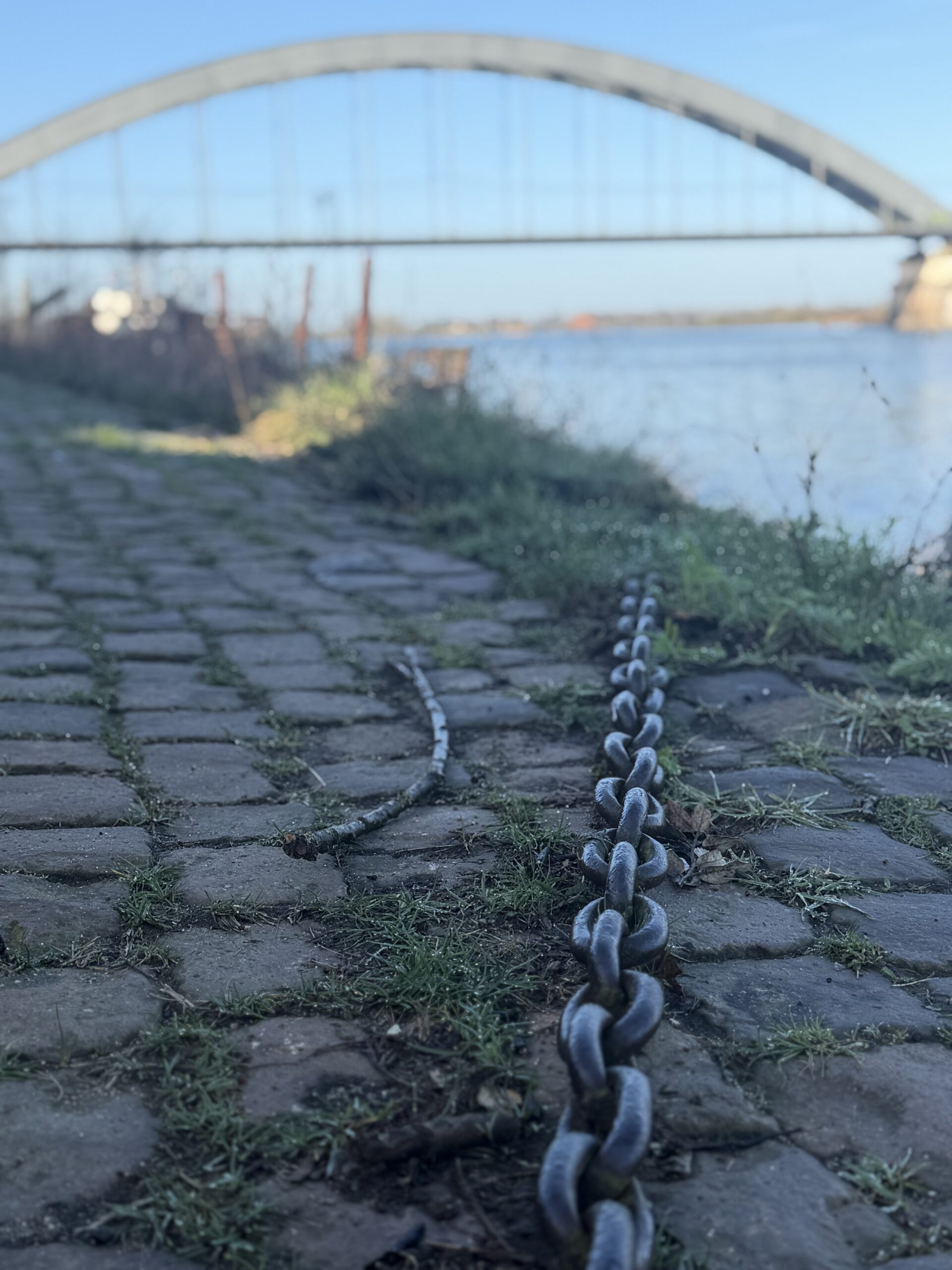
When I reached the Lek, the wide water moved steadily under the sunny morning sky. On the ground nearby the embankment lay a massive black chain. A man standing there glanced at the growing bag of rubbish beside me.

“Most of what you’ll find is cigarettes,” he said. “Or other unhealthy stuff.”

He was right. What filled the bag was a strange inventory of modern life cravings: candy wrappers, lottery tickets, beer cans, drug packaging, cigarette filters, plastic soda bottles, fragments of fireworks. Little pieces of pleasure that had lost their shine, but still left their mark on this place.


 

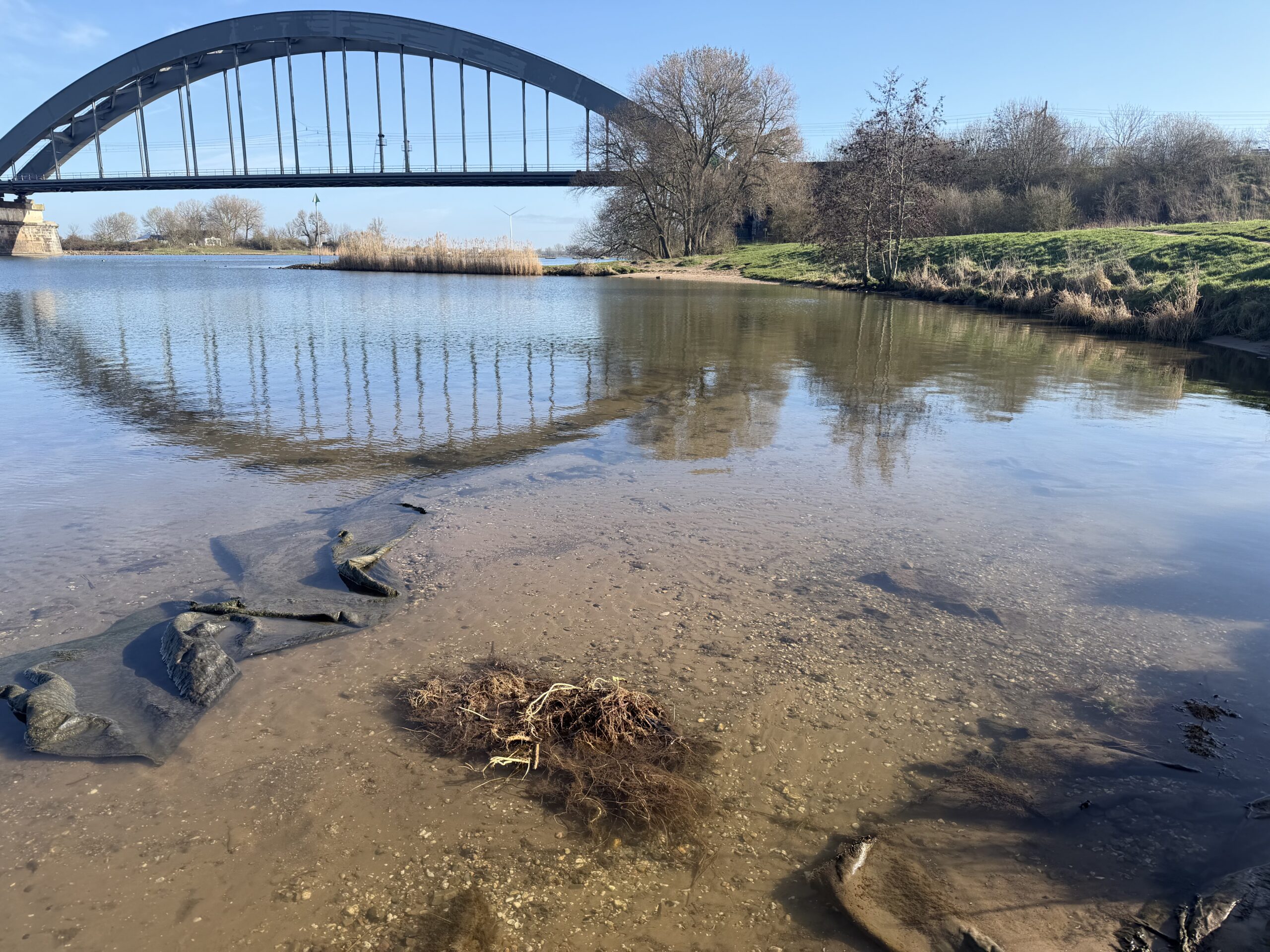
Further along, beyond the bridge, at the starting point of the Goilberdingerwaard, something caught my eye in the water. The water was stagnant there. At first it looked like a shadow drifting just beneath the surface. But as I came closer I saw it clearly: a huge plastic tarp, tangled and slowly dissolving into the river. 

Without a thought, I stepped into the water. As I bent down and grabbed the heavy black fabric, pulling and tugging to lift it from the mud, to no avail. While I struggled, a man approached and watched for a moment before speaking.

“I tried to remove that fabric twenty-five years ago,” he said. “With some people from the divers’ association. But there’s too much sand on it. You’ll never get it out.”

There was no bitterness in his voice, only the quiet fatigue of someone who had tried. His words brought a sudden sadness to my chest. Twenty-five years the river had been carrying this heavy burden. This huge plastic tarp chained up within its riverbank.

When I stepped out of the water, I strangely noticed that my socks were still dry inside my wet shoes. A small miracle, or perhaps simply kindness from the river.

So I continued walking along the riverbank, toward my usual sitting place. People passed by, greeting me warmly, offering encouragement. Human voices were everywhere that morning. Friendly, curious, appreciative. But the animals kept their distance.

When I reached my place by the river, I sat for a moment and closed my eyes. When I opened them again, I noticed a small bottle drifting toward the shore.


Message in a bottle, I thought playfully. " We both have similar stories! What's unhealthy for us is unhealthy for the river."


Soon after, I realized I needed to head home. As I decided to stop picking up trash and start walking back, something unexpected happened. The sun slipped behind the clouds. The warmth disappeared, as if someone had quietly dimmed the light. It felt strangely clear: my task was not yet finished. 

Next cleanup, I’ll bring a shovel and a pair of waders, and perhaps I can help ease the burden we’ve left behind, lingering on your riverbed for twenty-five years.


Michelle van der Vegt

Mindfulness gids en ecoloog

Geef een reactie

Je e-mailadres wordt niet gepubliceerd. Vereiste velden zijn gemarkeerd met *